Photons Energy and Suntree Strengthen Partnership to Advance Solar Energy in Tanzania
Arusha, Tanzania | 21 October 2026

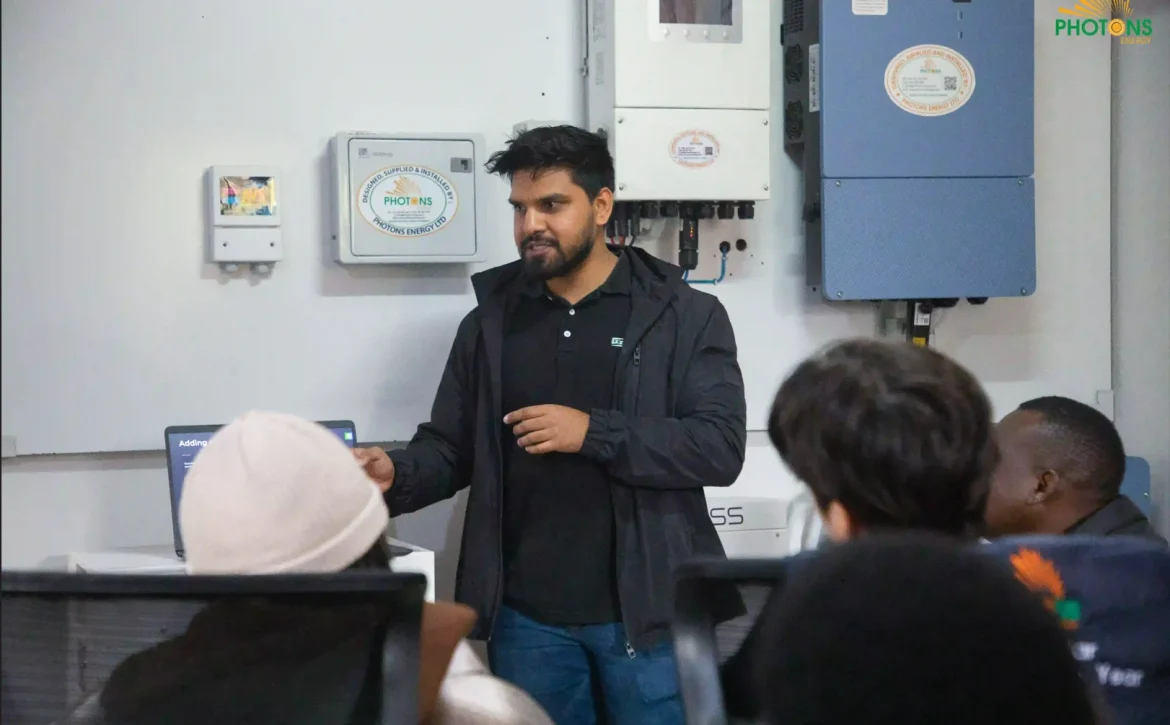
Strengthening strategic partnerships is essential to accelerating the adoption of reliable and sustainable energy solutions. On 20 October 2026, Photons Energy Limited and Suntree held a meeting focused on strengthening their partnership and exploring opportunities to support the continued growth of solar energy in Tanzania.
The meeting reflects the importance of collaboration between renewable energy companies, technology providers, and industry stakeholders in making solar energy solutions more accessible and supporting the transition towards a sustainable energy future.
Strengthening Collaboration in the Solar Energy Sector
As demand for dependable and cost effective energy continues to grow, strong industry partnerships can help bring innovative technologies and reliable solar products closer to customers.
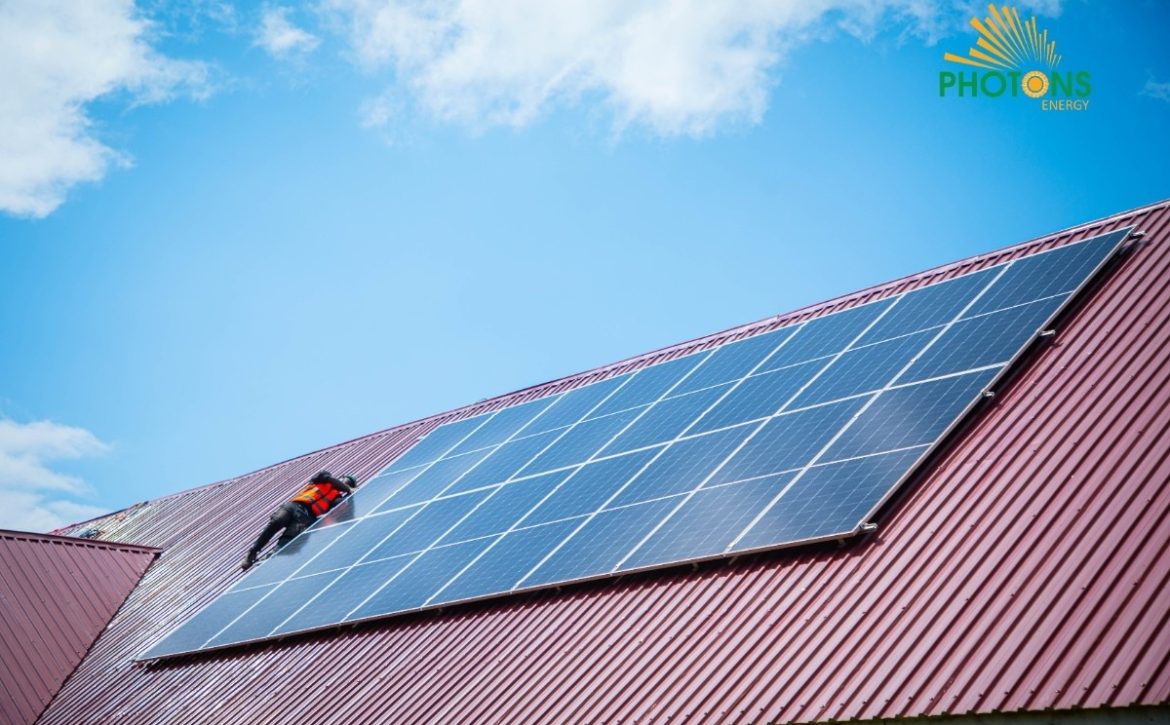
Photons Energy Limited, a Tanzanian owned renewable energy company, designs, supplies, installs, commissions, and maintains solar photovoltaic systems, battery storage solutions, and hybrid power systems across Tanzania and the wider East African region.
Suntree provides solar energy products and solutions, including solar inverters, photovoltaic components, and energy storage technologies. Its product portfolio supports different solar applications, from standalone systems to grid connected installations.
By strengthening collaboration, both companies have an opportunity to explore ways of supporting the evolving needs of residential, commercial, industrial, and other energy users.
Supporting the Growth of Renewable Energy in Tanzania
Solar energy continues to offer opportunities for businesses and institutions seeking to improve energy reliability, manage electricity costs, and reduce dependence on conventional power sources.
In Tanzania, renewable energy solutions can support a wide range of applications, including commercial facilities, industrial operations, agricultural activities, educational institutions, healthcare facilities, and communities with limited access to reliable electricity.
Through its work in solar power system design, equipment supply, installation, and maintenance, Photons Energy contributes to the development of practical energy solutions tailored to different customer requirements.
Collaboration with solar technology providers such as Suntree can help create opportunities to explore suitable products, technical capabilities, and solutions for the region’s changing energy needs.
Exploring Opportunities for Future Cooperation
The meeting on 20 October 2026 represents an opportunity for continued engagement between Photons Energy and Suntree as both companies look towards the future of renewable energy.
Stronger cooperation within the solar industry can help encourage technical knowledge exchange, improve access to appropriate technologies, and support the development of dependable solar energy systems.
As the sector evolves, maintaining relationships between equipment manufacturers, distributors, and solar engineering companies remains important to delivering solutions that meet customers’ expectations for performance, quality, and long term reliability.
A Shared Commitment to a Sustainable Energy Future
At Photons Energy Limited, collaboration is an important part of the company’s broader commitment to advancing renewable energy solutions. By working with established technology providers and industry partners, the company continues to pursue opportunities that support the development of sustainable energy infrastructure.
The strengthened engagement between Photons Energy and Suntree highlights the value of building lasting professional relationships within the renewable energy sector.
As Tanzania continues to explore opportunities in clean energy, partnerships of this nature can contribute to a more connected solar industry and help create new possibilities for businesses, institutions, and communities.
Photons Energy Limited remains committed to delivering renewable energy solutions through quality engineering, reliable equipment, and collaboration with industry partners.