ZANFIA HOTEL – Solar Water Heating and Solar Power System
Client: ZANFIA Location: Zanzibar Year: 2026
1. Project Overview
The ZANFIA Solar Water Heating and Solar Power System Project in Zanzibar is a renewable energy initiative designed to provide a sustainable and energy-efficient solution for water heating and electricity supply.
The project integrates solar photovoltaic (PV) technology, hybrid inverter systems, and battery energy storage to harness the power of the sun and convert it into usable electricity. The solar power system is designed to support the facility’s electrical energy requirements, while the solar water heating component provides a renewable alternative for meeting hot water demands.
By combining solar power generation with energy storage and solar water heating technology, the project aims to reduce dependence on conventional electricity, improve energy reliability, lower operating costs, and minimize environmental impact.
The project demonstrates the potential of integrated renewable energy solutions in supporting Zanzibar’s transition towards a cleaner, more sustainable, and energy-independent future.
2. Key Project Features
The project incorporates three major electrical infrastructure components that work together to generate, manage, and store renewable energy.
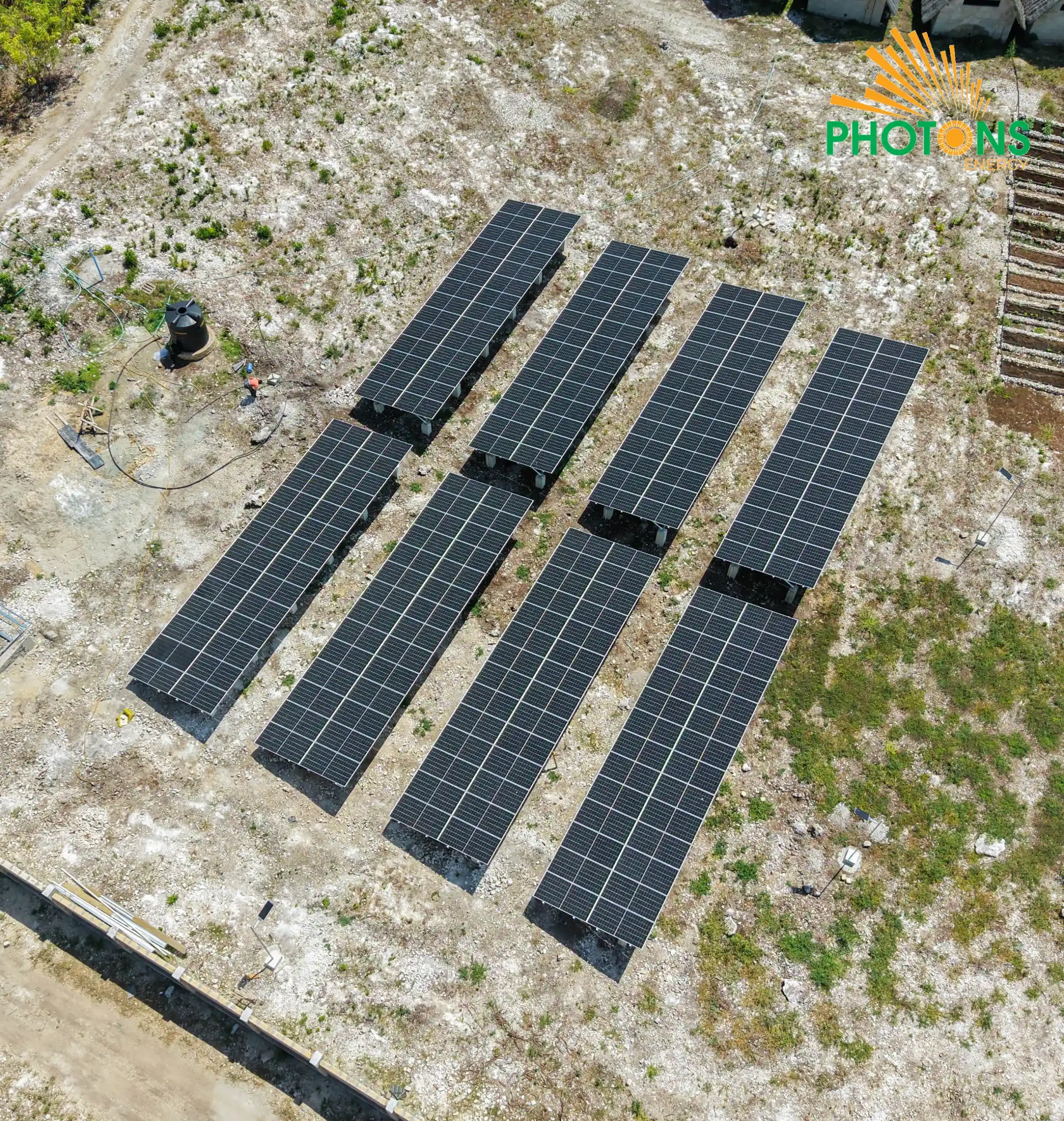
A. Solar PV Array
137.76 kWp
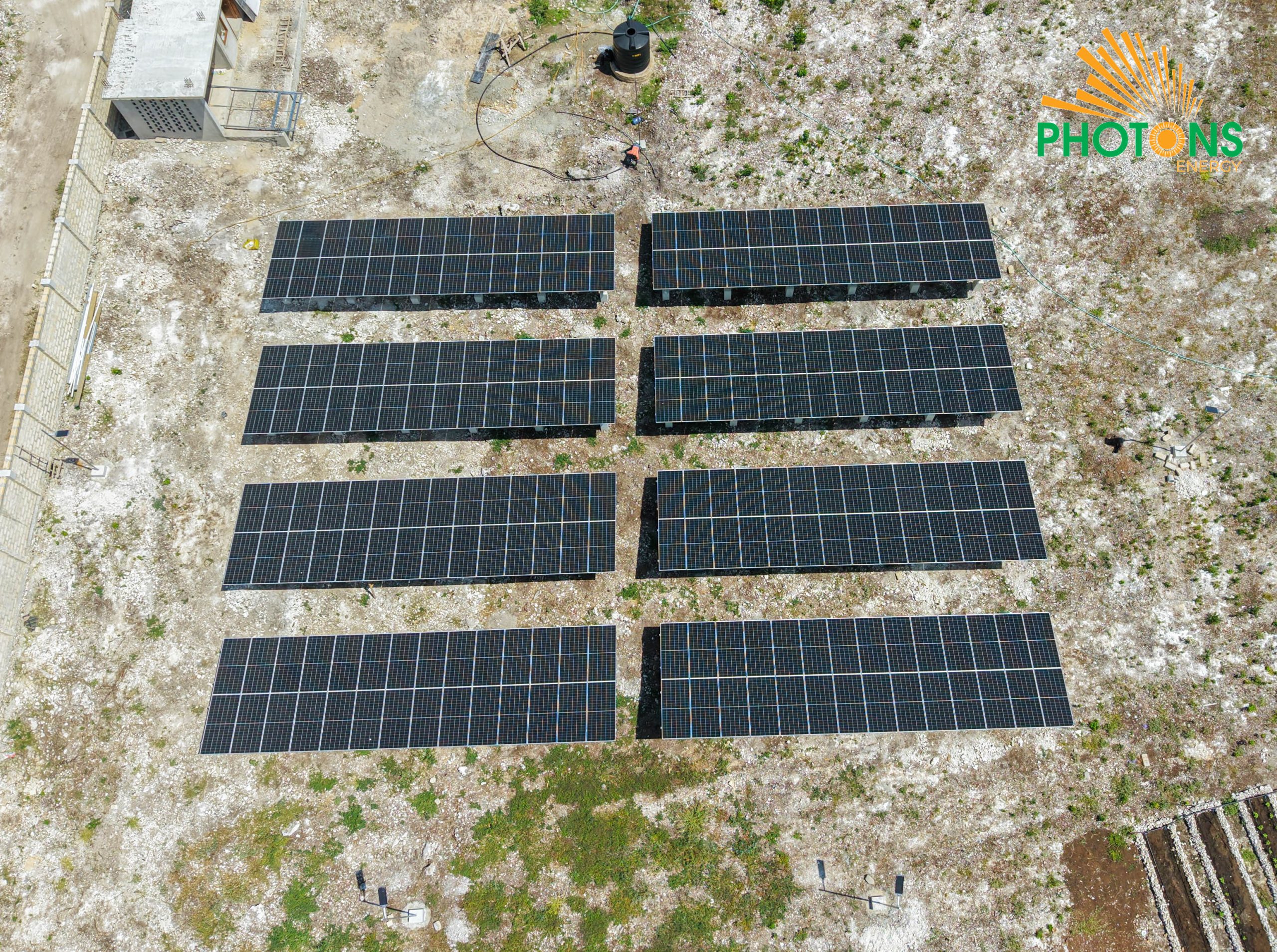
The solar photovoltaic array consists of solar panels that capture sunlight and convert it into electrical energy.
This serves as the primary source of renewable electricity for the project, helping meet the facility’s power requirements and reducing reliance on conventional electricity.
B. Hybrid Inverter
100 kW
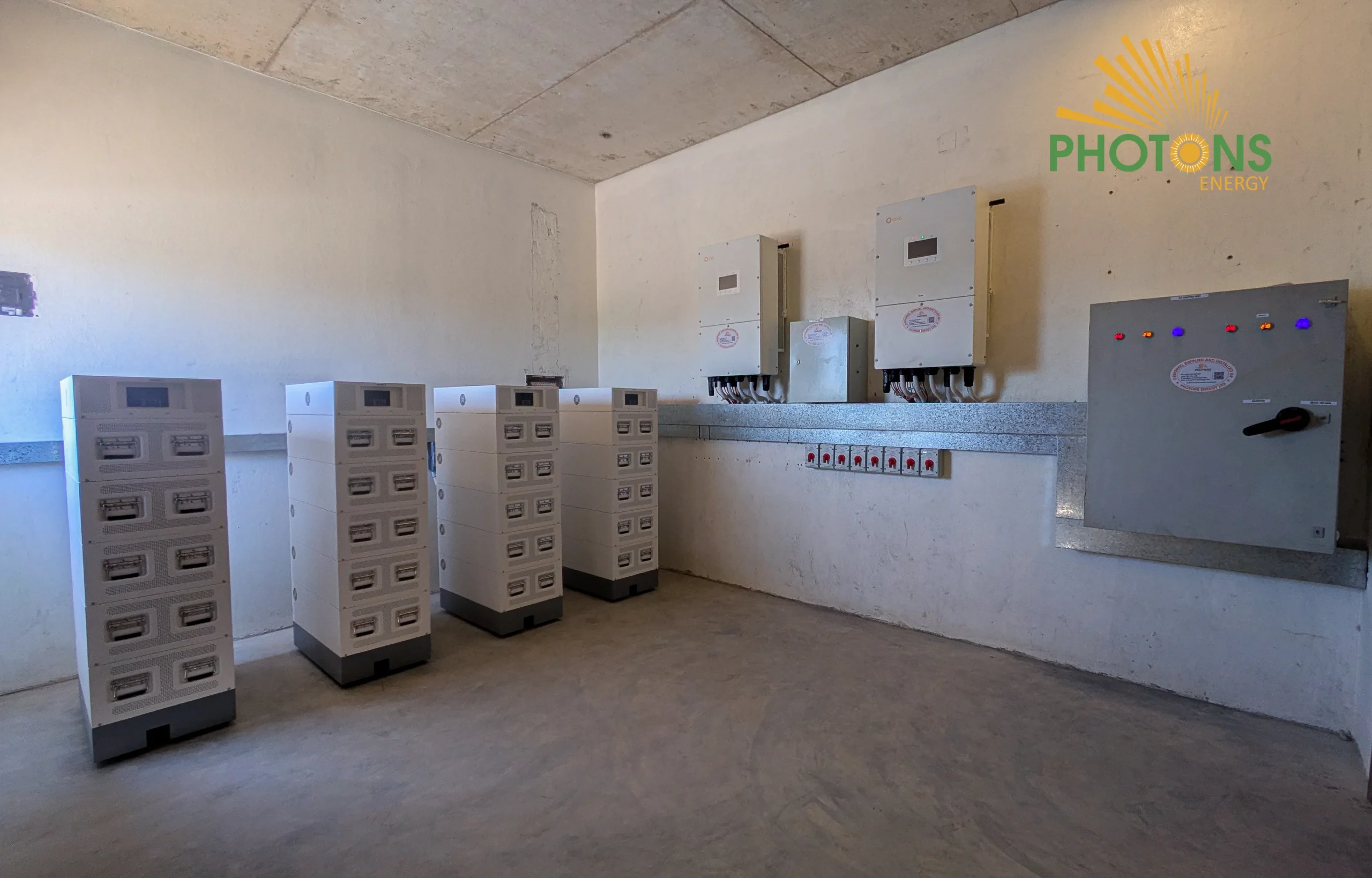
The hybrid inverter manages the flow of electricity between the solar PV array, battery storage system, and connected electrical loads.
It converts the electricity generated by the solar panels into usable power, controls battery charging and discharging, and coordinates the system’s energy supply.
C. Battery Bank Storage System
286 kWh
The battery bank stores excess electricity generated by the solar PV system during periods of strong sunlight.
The stored energy can be used during the night, cloudy conditions, or periods when solar generation is insufficient, helping maintain a more reliable electricity supply.
D. Solar Water Heating System
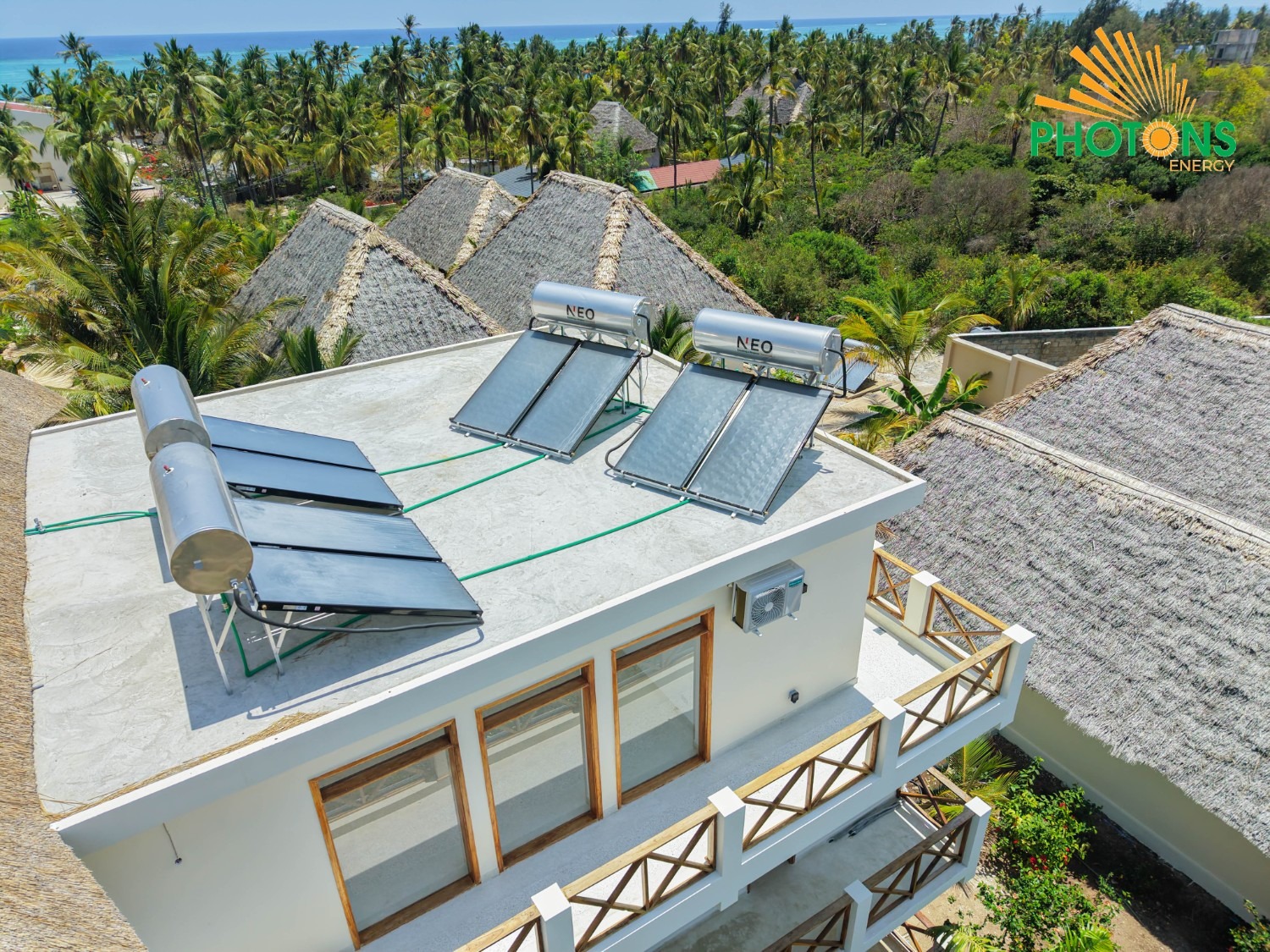
The solar water heating component uses renewable solar energy to provide hot water for the facility. It reduces the need for conventional water heating methods, which can consume significant amounts of electricity or other fuels.
By integrating solar water heating with the solar power system, the project addresses two important energy requirements: electricity generation and hot water production.
3. Project Strategy
The ZANFIA project adopts an integrated renewable energy strategy focused on maximizing solar energy utilization, improving energy efficiency, and ensuring a reliable supply of electricity and hot water.
Its main strategic approaches include:
1. Renewable Energy Integration
Deploying solar PV technology and solar water heating solutions to utilize Zanzibar’s abundant solar resources and reduce dependence on conventional energy sources.
2. Efficient Energy Management
Using a 100 kW hybrid inverter to coordinate electricity generated by the solar panels, energy stored in the batteries, and the facility’s electrical consumption.
3. Energy Storage and Reliability
Integrating a 286 kWh battery storage system to retain excess solar-generated electricity for use when sunlight is insufficient, improving energy availability and reducing dependence on grid electricity.
4. Sustainable Water Heating
Utilizing solar water heating technology to meet hot water requirements through renewable energy, reducing the need for conventional water heating systems and associated energy costs.
5. Reducing Operational Energy Costs
Maximizing the use of self-generated solar electricity and solar-heated water to minimize conventional energy consumption and improve long-term operational efficiency.
6. Supporting Clean Energy Development
Demonstrating the practical application of integrated solar technologies as part of Zanzibar’s broader transition towards sustainable energy solutions.
4. Project Impact
The ZANFIA project is expected to deliver significant environmental, economic, operational, and developmental benefits.
A. Environmental Impact
Reduces dependence on conventional energy sources.
Helps lower greenhouse gas emissions associated with electricity consumption and water heating.
Promotes clean energy adoption and environmentally responsible operations.
B. Economic Impact
Reduces electricity expenses through solar power generation.
Lowers the cost of conventional water heating.
Provides potential long-term operational savings.
Reduces exposure to fluctuations in conventional energy costs.
C. Operational Impact
Improves electricity availability through integrated solar generation and battery storage.
Supports a more reliable energy supply during periods of low solar production.
Provides a sustainable source of hot water.
Improves overall energy management and utilization.
D. Social and Developmental Impact
Supports Zanzibar’s renewable energy development goals.
Demonstrates the benefits of combining solar electricity and solar water heating.
Encourages investment in sustainable energy infrastructure.
Provides an example of how modern solar technologies can support sustainable development.
5. Overall Project Significance
The ZANFIA Solar Water Heating and Solar Power System Project represents a significant investment in renewable energy infrastructure in Zanzibar. By combining a 137.76 kWp solar PV array, a 100 kW hybrid inverter, and a 286 kWh battery storage system with solar water heating technology, the project provides an integrated approach to meeting electricity and hot water requirements sustainably.